Texas New Construction Versus Resale: Which Fits?
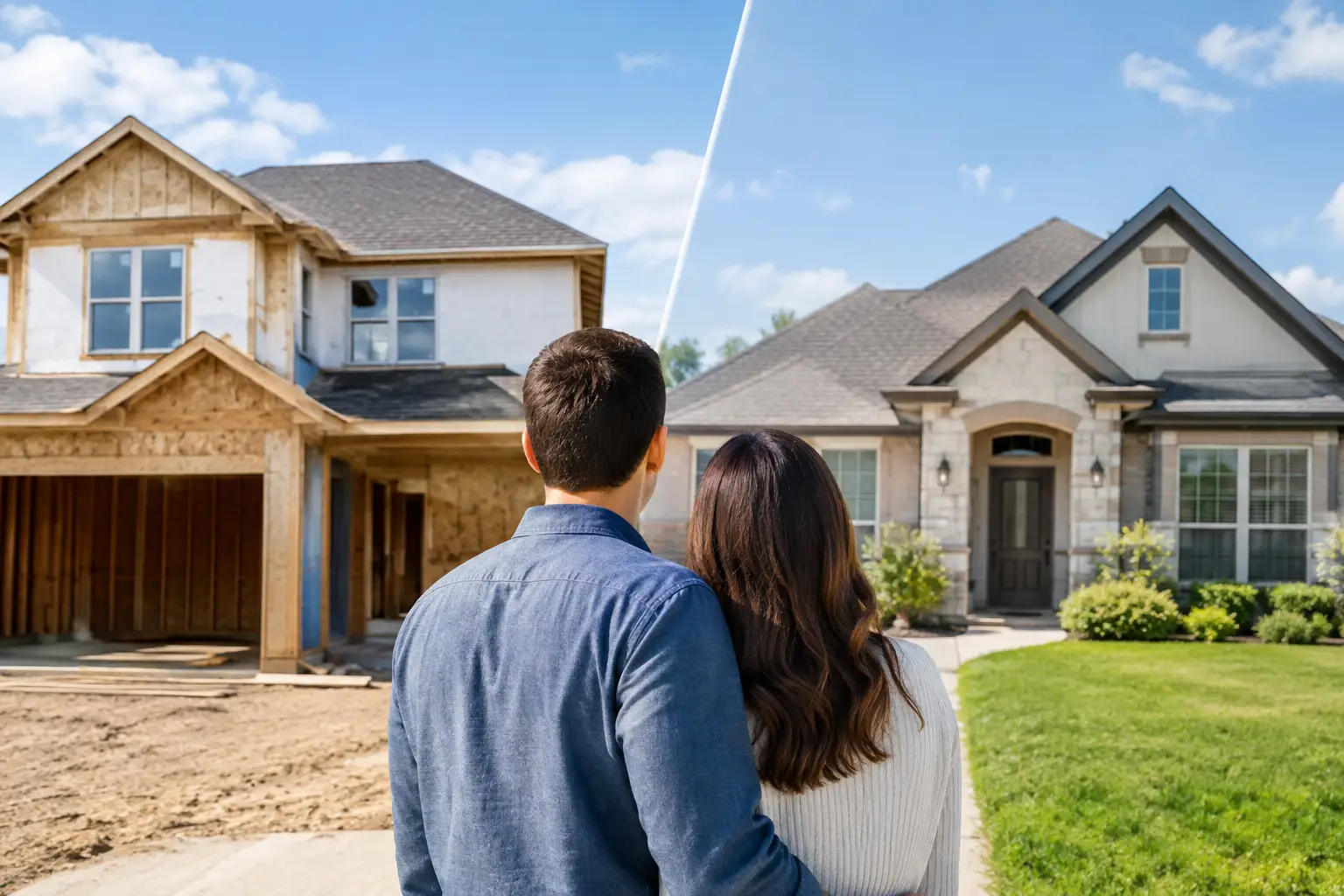
A brand-new home can be exciting: clean finishes, untouched appliances, and the chance to choose a floor plan that fits your family. A resale home can offer something equally valuable: a lived-in neighborhood, established trees, and a clearer picture of what you are buying. When clients ask about Texas new construction versus resale, I start with the same straight-talk answer: neither is automatically the better choice. The right home is the one that supports your budget, timeline, daily life, and long-term plans.
In the San Antonio, New Braunfels, and Hill Country areas, buyers can find both options, sometimes within a short drive of one another. But the details behind the listing price can be very different.
Texas New Construction Versus Resale: Start With Your Priorities
Before comparing granite colors or backyard sizes, get clear on what cannot move. Do you need to be settled before the next school year? Is a short commute essential? Are you comfortable managing a construction timeline? Would a larger lot or an established neighborhood make daily life better for your household?
New construction often works well for buyers who want modern layouts, lower near-term maintenance, and a home that feels tailored to them. Resale can be the stronger fit for buyers who value location, mature landscaping, immediate availability, or the ability to see the exact home and neighborhood they are purchasing.
The question is not simply, “Which home costs less?” It is, “What will this home require from us financially and practically over the next few years?”
What New Construction Can Offer
A new home may come with current design trends, energy-efficient features, newer building systems, and a builder warranty. Many buyers appreciate having fewer immediate repair projects after closing. Depending on the builder and stage of construction, you may also be able to select flooring, cabinets, countertops, or other finishes.
Newer communities can include amenities such as pools, trails, playgrounds, and community gathering spaces. For relocating buyers, a planned neighborhood may also offer a simpler starting point when they are still learning the area.
There is real value in a warranty, but it is not a substitute for careful due diligence. Builder warranties have terms, coverage periods, exclusions, and claim procedures. A warranty does not mean every concern will be handled automatically or that a buyer should skip inspections.
The costs that are easy to overlook
The advertised base price is rarely the final number. Lot premiums, structural upgrades, design-center selections, blinds, appliances, landscaping, fencing, and window treatments can add up quickly. A model home is designed to impress, and it often includes upgrades that are not part of the standard package.
It is also wise to review property taxes carefully. In parts of Central Texas, a new community may have a municipal utility district, public improvement district, or other assessment that affects the tax bill. That monthly payment needs to work not only on closing day, but after the first full tax year as well.
Builder incentives can be helpful, especially when they reduce closing costs or buy down an interest rate. Still, compare the full offer. A preferred lender may provide a strong incentive, but buyers should understand the loan terms, fees, and alternatives before deciding. Incentives are part of the negotiation, not a reason to stop asking questions.
Timing and construction realities
A completed spec home can close relatively quickly. A home that has not yet started, or is still under construction, is different. Weather, labor availability, material delays, permitting, and builder scheduling can change a projected completion date.
For families coordinating a lease ending, a job transfer, or a home sale, that uncertainty matters. Builders may give estimated timelines, but estimates are not guarantees. Have a backup plan and review contract deadlines closely.
Why Resale Homes Still Make Sense
A resale home gives you something a new build cannot always provide: proof of daily life. You can see the trees, street activity, neighboring homes, storage, traffic patterns, and the condition of the yard. You can visit at different times of day and get a more complete feel for the setting.
Resale properties are often closer to established employment centers, restaurants, schools, and parks. In areas where land is limited, an older home may also offer a larger lot, more character, or a location that would be difficult to find in a new community at the same price point.
A resale home can also provide more negotiation flexibility. Every situation is different, but a seller may be open to discussing price, repairs, closing costs, a leaseback, or a closing date that better matches your move. The home’s condition, days on market, competing offers, and seller motivation all shape that conversation.
Inspection is your window into the home
Every resale home has a history. That is not a bad thing. It simply means buyers need to understand its condition and likely future expenses. A thorough inspection can identify concerns with the roof, foundation, plumbing, electrical systems, HVAC, drainage, insulation, and more.
The goal is not to expect a used home to be perfect. The goal is to know what you are accepting and decide whether the price and terms reflect that reality. Sometimes a home with an older roof is still the right choice because the location, lot, and overall value are excellent. Other times, the inspection reveals expenses that change the equation.
Do Not Skip Representation With a Builder
Walking into a model home without your own agent can feel casual. The sales representative may be knowledgeable and helpful, but their role is to represent the builder’s interests. They are not there to advise you on whether a competing community, lender option, contract term, or upgrade package is better for your family.
Having buyer representation early matters because some builders require your agent to accompany you on the first visit or register you before you tour. Your agent can help you compare the base price to the finished price, read the contract, track deadlines, coordinate inspections, and negotiate where negotiation is possible.
Yes, inspections are still wise on new construction. Most buyers benefit from an independent inspection before closing, and often a second inspection before the end of the builder warranty period. New does not always mean flawless. Small issues are common, and some are easier to address before you move in.
Compare the Total Monthly Picture
A practical comparison goes beyond the purchase price. Look at the expected monthly principal and interest, property taxes, homeowners insurance, HOA dues, utility costs, commute expenses, and anticipated maintenance. If a new home needs a backyard, fence, refrigerator, or window coverings, include those expenses too.
For resale, account for repairs and updates that may be needed sooner rather than later. A lower price does not always mean lower ownership costs, just as a newer home with a higher price does not always mean it is out of reach after incentives and energy savings are considered.
This is where a clear side-by-side comparison helps. A house should fit your real budget, not just the maximum amount a lender says you can borrow.
The Best Choice Is Usually Personal
A young family may choose new construction because they want predictable maintenance and room to grow. Another family may choose resale because they want a shaded yard, a shorter drive, and a neighborhood with an established feel. A buyer relocating from out of state may need a completed home now, while a local homeowner with flexible timing may be comfortable waiting for a build.
There is no prize for choosing the newest home or the oldest neighborhood. There is only the right fit for this season of your life.
A good decision should leave room for your family, your plans, and a few surprises after moving day. Take the time to compare the full cost, inspect carefully, and ask direct questions. The right home should feel exciting, but it should also make sense when the paperwork is on the table.