Is New Construction Versus Resale Better for You?
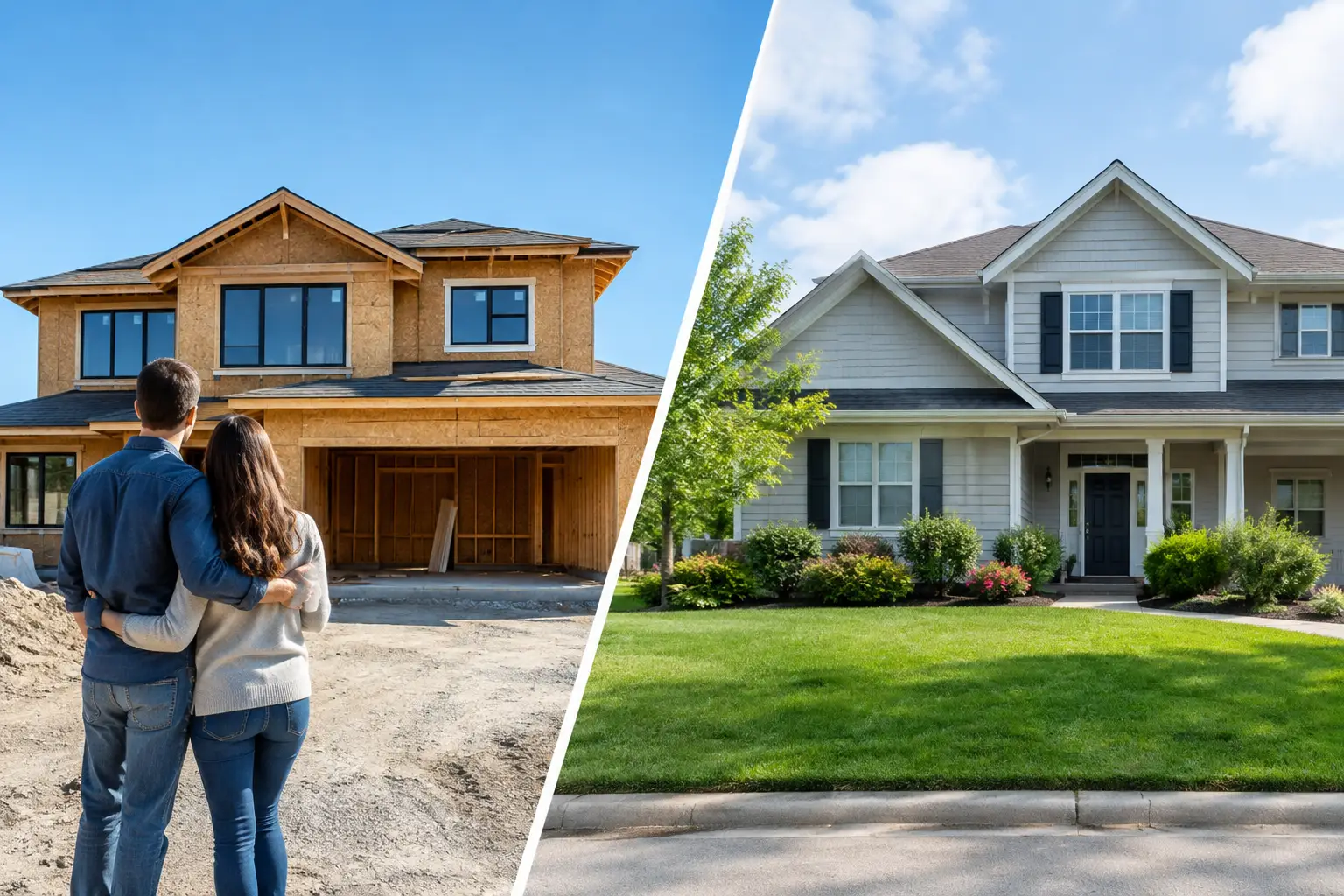
A brand-new home can feel like the easy answer: fresh paint, untouched appliances, modern finishes, and fewer immediate projects. But new construction versus resale is not simply a choice between new and old. For Central Texas buyers, it is a decision about location, budget, timeline, lifestyle, and how much uncertainty you are comfortable carrying after closing.
I have seen buyers fall in love with a model home, only to realize the finished price is beyond their comfort zone once the lot, upgrades, and closing costs are added. I have also seen buyers pass on resale homes because they feared repairs, then discover a well-maintained resale in an established neighborhood gave them more space, more trees, and a shorter commute. Neither path is automatically better. The right home is the one that supports your real life and your long-term plans.
New Construction Versus Resale: Start With Your Priorities
Before comparing square footage or countertop colors, get clear on what cannot be compromised. If you need to move by a certain school deadline, work from home full time, want to be near family, or have a firm monthly payment limit, those details should shape the search from the beginning.
New construction often works well for buyers who value current layouts, energy efficiency, and the ability to personalize selections. Resale can be the stronger fit for buyers who prioritize an established neighborhood, a specific school area, a central location, or a home that is ready right now.
In and around San Antonio, New Braunfels, Canyon Lake, and the Hill Country, location can make the decision quickly. New communities may offer attractive amenities and larger new homes for the price, but they are often farther from employment centers, favorite restaurants, family, and established services. A resale home may place you closer to the life you already enjoy, even if its finishes are not straight from a design center.
The Real Cost Is More Than the Base Price
The advertised price on a new-build sign is usually a starting point, not a final number. Builders may include a standard package that looks different from the model home. The model may have upgraded flooring, cabinets, lighting, tile, landscaping, appliances, and a premium lot. Those choices can add up quickly.
It is also wise to ask what is included outside the walls. Window coverings, garage door openers, gutters, a refrigerator, backyard landscaping, fencing, and even ceiling fans may be extra depending on the builder and community. Some buyers are comfortable handling those items over time. Others need a home that is fully set up on move-in day.
With resale, the list price is generally closer to the home you are seeing, though inspections may reveal repairs or maintenance needs. A resale seller may negotiate on price, closing costs, repairs, or a home warranty, depending on market conditions and the strength of the offer. New-home builders may be less flexible on price but offer incentives tied to a preferred lender or title company.
Those incentives deserve a careful look, not an automatic yes. A lender credit can be valuable, but the loan terms, interest rate, fees, and long-term payment still need to make sense. Straight talk matters here: a large closing-cost incentive is not a deal if it costs more over the life of the loan.
Compare Monthly Payment, Cash to Close, and Move-In Costs
The best comparison puts both options side by side. Look at the monthly payment, including taxes, homeowners insurance, HOA dues, and any special district assessments. Then look at cash needed at closing and the first-year expenses after closing.
Newer communities in Texas may have MUD, PID, or other assessments that affect the tax bill. Resale neighborhoods can also have HOA fees, older systems nearing replacement, or higher insurance considerations. The goal is not to avoid every expense. It is to know what you are agreeing to before you are emotionally committed.
What a Warranty Does and Does Not Solve
A builder warranty is a meaningful benefit, especially for major systems and structural components. It can provide peace of mind when something fails early. Still, a warranty does not mean the home will be perfect or that every item is covered without question.
New homes can have grading issues, incomplete work, drainage concerns, cosmetic defects, or mechanical problems. Construction crews work on tight schedules, and punch-list items are normal. That is why I strongly encourage buyers to have an independent inspection, even on a newly built home. A builder inspection before closing and another inspection before the end of the warranty period can identify concerns while there is time to address them.
Resale homes do not come with the same builder warranty, but they offer something equally useful: a visible history. You can inspect the roof, foundation performance, drainage, mature landscaping, neighborhood traffic patterns, and condition of nearby homes as they exist today. A thorough inspection helps you understand the home, but it is not a prediction machine. Every house, new or old, will need care.
Timing Can Change the Right Answer
A completed inventory home may close relatively quickly, much like a resale transaction. A home still under construction can take months, and schedules can shift because of weather, materials, labor, permitting, or final inspections. If your lease ends on a fixed date or you are relocating for a job, build in a real backup plan.
Resale homes usually offer more predictable timing once a contract is signed, although appraisal, financing, inspection negotiations, and seller move-out plans still matter. For buyers who need certainty, a home that is already complete can be worth more than the ability to select every finish.
If you are considering a build-from-scratch home, think about your patience as honestly as you consider your budget. Making design selections can be fun. It can also become tiring when every choice has a price tag and a deadline. Some families love that process. Others would rather walk into a home, see exactly what they are buying, and move on with life.
Representation Matters With a Builder
Walking into a model home without an agent can feel casual, but it is a business meeting. The builder's sales representative is usually knowledgeable, helpful, and focused on the builder's transaction. That person is not your independent advocate.
Having your own buyer representation from the first visit gives you someone to review the contract, explain deadlines, compare incentives, monitor construction milestones, and raise questions that are easy to miss when you are excited about a new home. Builder contracts are not the same as the standard resale contracts many Texas buyers see. Their deposit rules, change-order policies, completion dates, and remedies deserve careful attention.
This is not about making the process adversarial. Good communication with a builder can make a transaction smoother. It is about making sure you understand the terms and have someone protecting your interests along the way.
When Resale May Be the Better Fit
Resale often wins when the neighborhood itself is the priority. Established areas may offer mature trees, larger lots, finished streetscapes, and a clearer sense of the community. You can visit at different times of day, see parking and traffic patterns, and get a more complete picture of daily life.
It can also be the better value for buyers willing to update gradually. Dated carpet or older light fixtures are visible and manageable. Foundation movement, poor drainage, an aging roof, or outdated electrical systems require a more careful financial conversation. The key is separating cosmetic work from expensive systems work before you write an offer.
A resale purchase also creates opportunities for negotiation that are less common with production builders. That flexibility can help buyers who need a specific closing date, want appliances included, or need repairs addressed before closing. Of course, a competitive resale listing may receive multiple offers, so strategy still matters.
Let the Home Serve the Life You Are Building
There is no prize for choosing new construction, and there is no failure in choosing a resale home with a few projects. The best decision is usually less about what looks impressive on a Saturday tour and more about what will feel sustainable on an ordinary Tuesday.
Picture the commute, the grocery run, the school morning, the monthly payment, the backyard, and the maintenance list. Ask the questions that feel unglamorous now, because they are often the questions that protect your peace later. A home should give your household room to live well, not leave you stretched thin trying to make the numbers or the neighborhood work.